
Sound: 

Value:
(Read about our ratings)
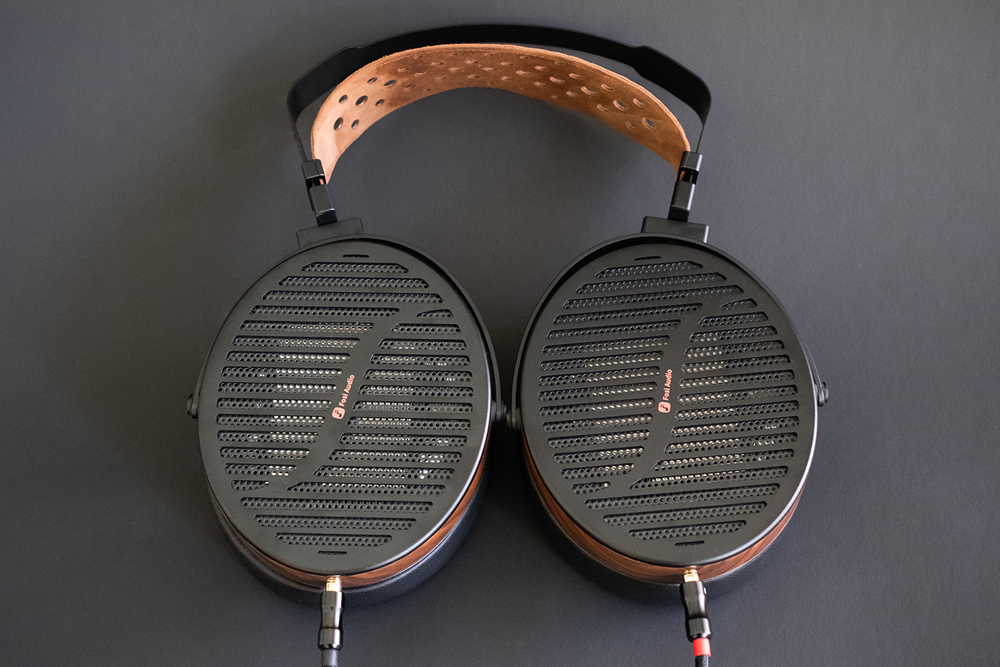
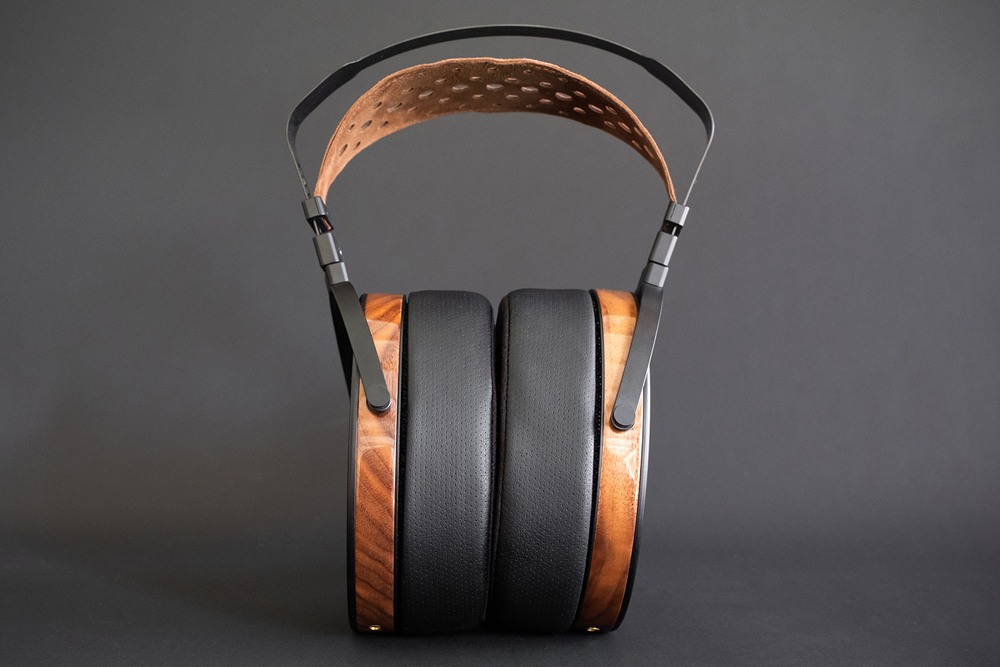
Fosi Audio’s i5 headphones are big. Like, really big. I think if you have a small head, your head would be a cute accessory for these headphones. Kids could probably build a pillow fort inside. You might be able to use them as life rafts. No, wait. That’s ridiculous. Of course you can’t. They’re open‑back. You’d sink.
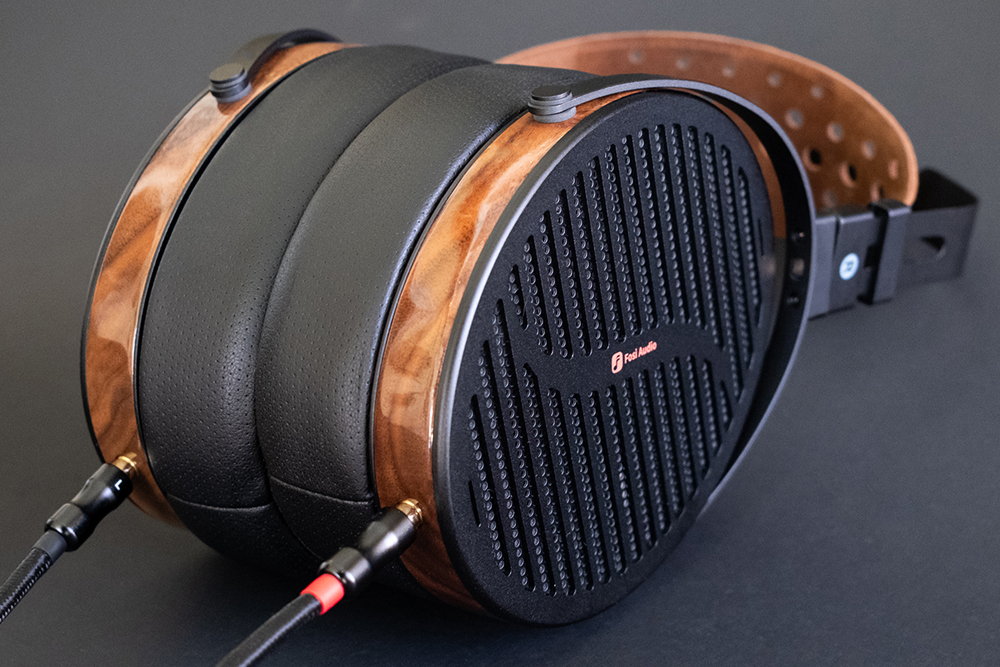
Inside the chonky aluminum and walnut frames are 97mm planar‑magnetic drivers with 2μm‑thick diaphragms. A “magnetron-sputtered silver alloy coating enhances clarity while ensuring long-term sonic consistency and durability,” the web page for the headphones proclaims. The two drivers are motivated by 44 neodymium magnets.
All that has the makings of high-end headphones, but the i5s are reasonably priced for planars: US$549.99, CA$749, £549, €549, as of this writing in late January.
In the box
With the i5s, you get a thick braided cable with a 3.5mm jack at the end, as well as an adapter to fit 6.35mm (¼″) headphone jacks. While there’s a small bag for the cables, there’s no case or bag for the headphones themselves. A cable that ends in a 4.4mm Pentaconn balanced connector is available separately for US$50.
Use
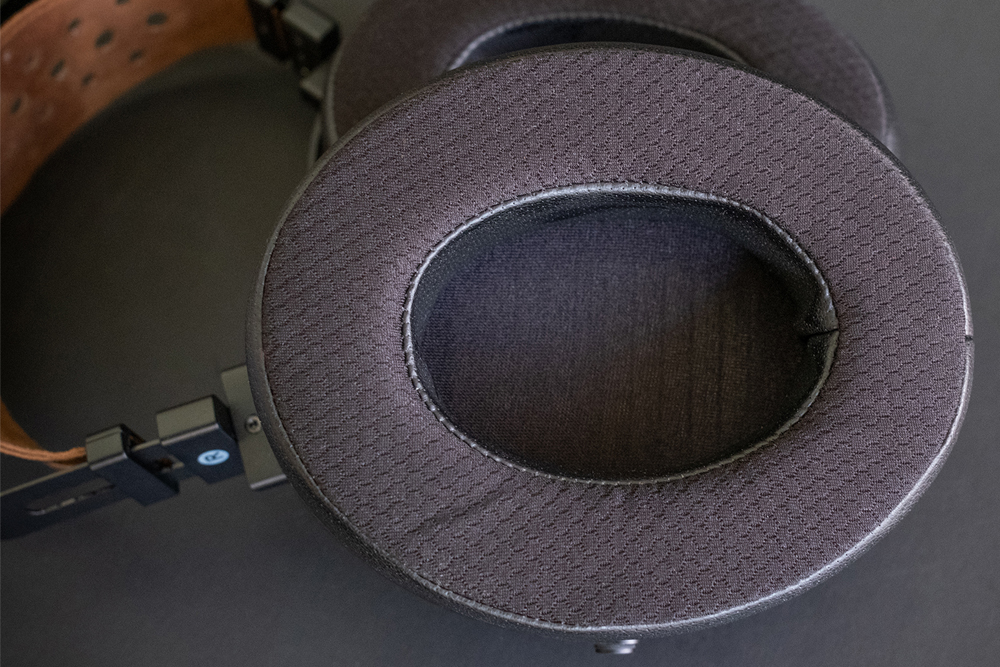
Despite their size, the i5s are quite comfortable. The adjustable sheepskin strap has holes for breathability, and the earpads are plumply cushioned. Not including cables, the i5s weigh a hefty 533g. That’s even more than the anvil-esque Audeze Maxwell gaming headset, and the Maxwell has a battery and electronics. You definitely feel the i5s’ weight, but subjectively, they don’t feel as heavy as the Maxwells, likely due to their shape and clamping force. Make no mistake, though, these are heavy headphones.
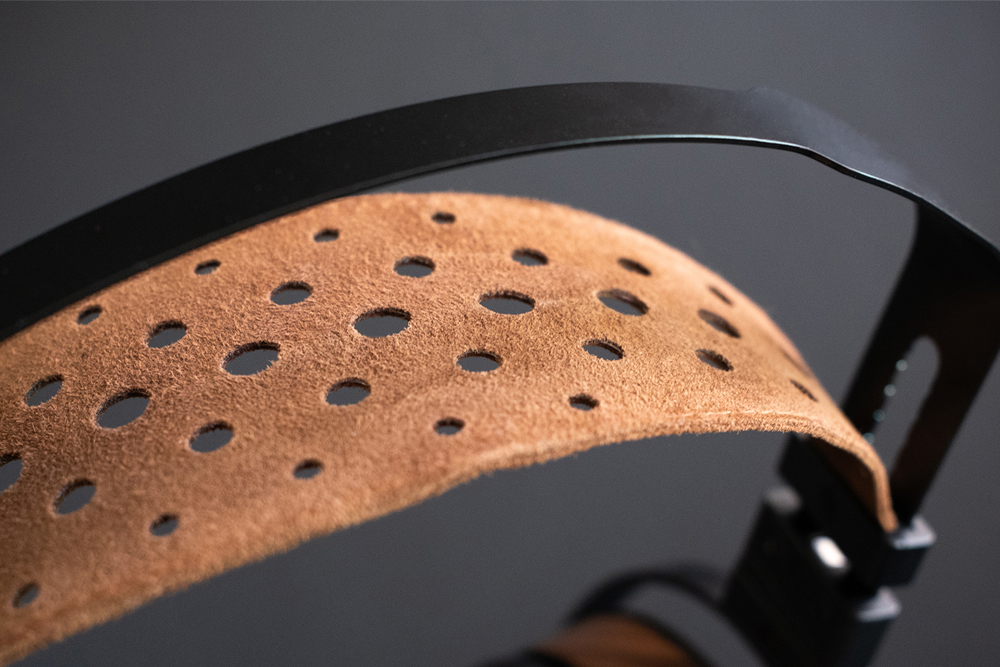
However, if you have a smaller head, I’m not sure how well these will fit. I have a pretty average-sized head, and I had the band set nearly to its smallest adjustment.
Sound
Overall, the i5s have a big, open sound (no surprise there) with impressive detail, fast transients, and enough bass to keep them from sounding too light. Their frequency response is a bit lumpy, but more in a way that gives them character than making them sound odd.
During my initial pre-review listening, I found the Fosi’s sounded excellent with acoustic guitars, so I started with “Peaceful Easy Feeling” from the Eagles’ eponymous album (24‑bit/192kHz ALAC, Rhino‑Elektra / Apple Music). Quick tangent: If you’re a frequent visitor to Solo, you might notice this is my first review using Apple Music instead of Qobuz. I decided to give Apple a try for a bit, entirely because I got a free subscription through my credit card and I’m cheap. Qobuz is actually easier to use for reviews, and it seems to have a better selection of high-resolution audio. Or at least what they have is easier to find. See you again, Qobuz, when this free subscription ends next year.
Anyway, “Peaceful Easy Feeling” starts with the typical Eagles jangly guitars and pedal steel. These seemed to extend out over my shoulders for a pleasantly big sound. The strums of the acoustics had a fast attack, while the snare had a tight snap. Glenn Frey’s vocals sat dead center and didn’t get overwhelmed by the many layers of instruments and harmonies.
Shifting acoustic instruments slightly, I cued up “Landed” by Ben Folds (Songs for Silverman, 16/44.1 ALAC, Epic / Apple Music). Folds’s voice competed a bit with some of the piano here, but more noticeable was the lack of “oomph” from the piano itself. The notes were there, but the instrument sounded smaller than I’ve heard with other headphones. As I mentioned above, the frequency response of the i5s seems a bit lumpy. Some notes of some instruments really pop, while others seem to take a step back. It’s not distracting, and I wouldn’t call it a negative per se, but some tracks do sound a little different.
Next up was David Bowie’s “Five Years” from The Rise and Fall of Ziggy Stardust and the Spiders from Mars (24/96 ALAC, Parlophone / Apple Music). The i5s’ excellent and expansive soundstage really accentuated this song’s many strengths. But these big planars also made this song a little top-heavy. While the i5s have bass, it’s inconsistent, like a small subwoofer paired with good, but small, speakers. There wasn’t a ton of really low bass, which is a bit of a surprise given the size and technology of the drivers.
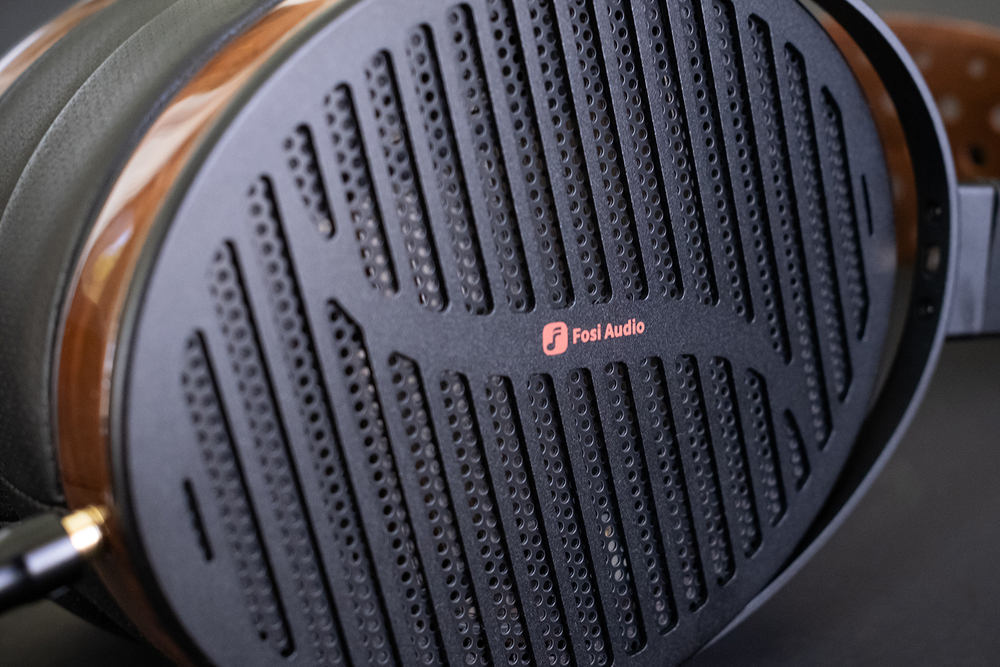
Despite those drivers, the i5s aren’t particularly difficult to drive, at least compared to other big planar headphones. Both the Schiit Audio Magni and Fosi’s own ZH3 (review coming soon) easily powered them. With my meagerly powered Sony NW‑A306, I was able to get a decent listening volume, but the headphones weren’t overly loud. I’d say any reasonably powered portable player would work just fine. The Campfire Audio Relay, for example, powered them to high volume levels.
Comparison
Beyerdynamic's DT 1990 MkIIs are my favorite headphones in this price range. They retailed for US$599.99 when I reviewed them in December 2024, but tariffs have driven the price up to US$699.99. In some other regions, the Beyers are closer in price to the Fosis: the DT 1990 MkIIs sell for £469 in the UK and €549 in most European countries. The German headphones have dynamic drivers instead of planar, and are significantly lighter at 376g. They also have a more, let’s say Teutonic, design compared to the warmer, swankier i5s.
First up, “Boom” by Tiësto & Sevenn (single, 16/44.1 ALAC, Universal / Apple Music). This EDM track has deep bass, snappy percussion, and vocals that zoom around the soundstage. Through the Beyers, the bass was deep and well controlled, with the synth percussive hits having great attack. Through the i5s, some of the bass notes were stronger than they were through the Beyers, but others were weaker. The sound overall didn’t feel as balanced. While the Beyers’ soundstage was big, the i5s’ soundstage was even bigger.
Next up was “Cover Me Up” by Jason Isbell (Southeastern, 16/44.1 ALAC, Southeastern / Apple Music), which played to the i5s’ strengths. The guitars sounded far livelier and more lifelike through the i5s. Isbell’s voice was more forward in the mix as well. The bass drum hits had less thump and more definition compared to the Beyers. The Beyers sounded fuller, but the i5s sounded more open. When you find the right track, the i5s sound quite special. I just wish they were more consistent.
Conclusion
The Fosi i5s are interesting headphones. There’s a lot to like, not least their big sound with a wide and compelling soundstage. While big and heavy, they’re comfortable and look great. Their frequency response is . . . full of character. They sound good, and with certain tracks they sound great. I wouldn’t go so far as to say they’re idiosyncratic, but as much as I’m a sucker for planar headphones, the Beyers were definitely more balanced. Between the two, I’d reach for the Beyers. Part of that, I’ll freely admit, is my bias towards more bass-friendly headphones. The i5s aren’t lacking in bass, but like I mentioned above, it’s not one of their strengths.
I can’t help thinking an “i5 II” model could be very interesting, as the pieces are all here for an impressive pair of headphones. After all, the Beyers themselves are a MkII model, and they’re not the only example of a second release offering welcome improvements.
. . . Geoffrey Morrison
Associated Equipment
- PC: iBuyPower Windows 11
- DAC–headphone amplifiers: Schiit Audio Magni, Fosi Audio ZH3, Campfire Audio Relay
- Portable media player: Sony NW‑A306
Fosi Audio i5 headphones
Price: US$549.99, CA$749, £549, €549
Warranty: 24 months
Fosi Audio
Aohua Building
Dalang Street, Longhua District
Shenzhen, 518116
Guangdong, China
Phone: +861-371-661-2254
Email:
Website: www.fosiaudio.com